
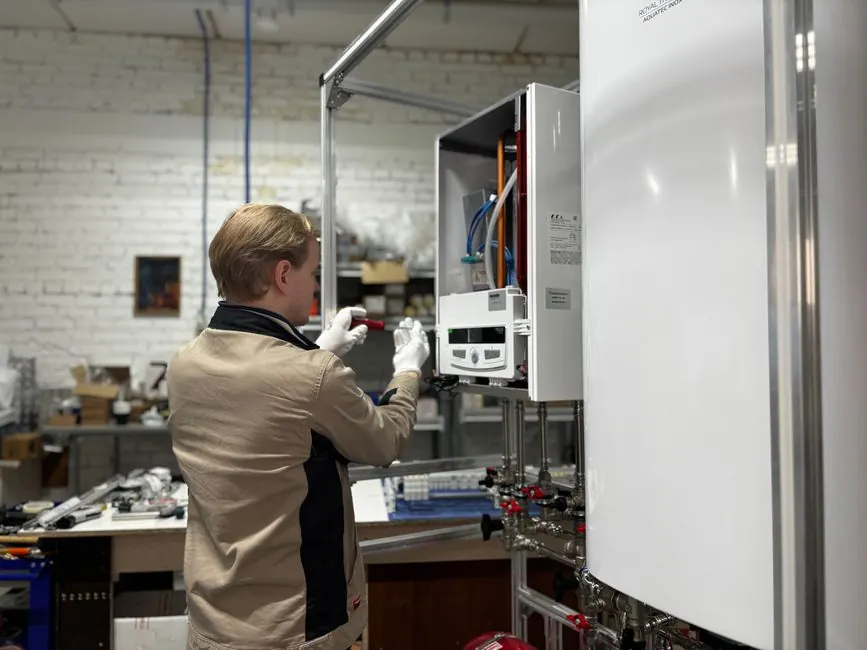
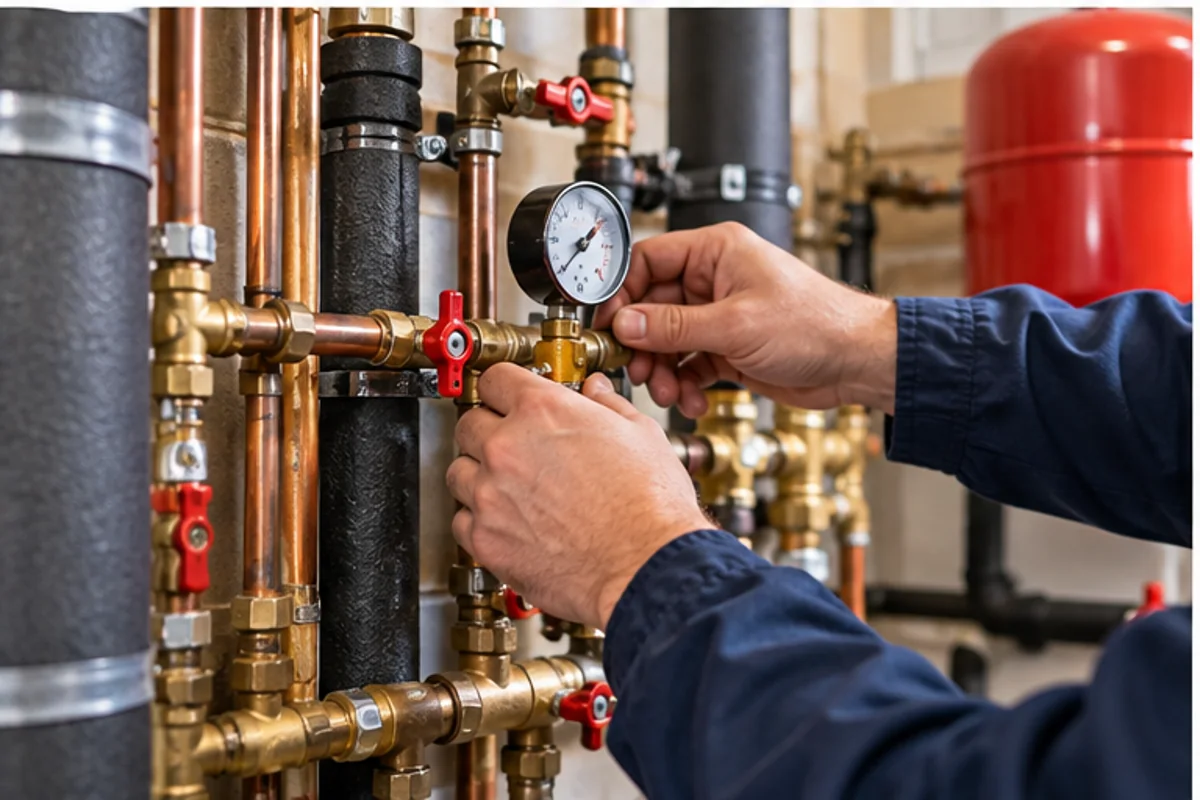
Improving boiler efficiency is usually a system-wide project, not a single thermostat trick. The boiler, controls, pumps, radiators or baseboards, insulation, air sealing, and household schedule all affect how much fuel is required to keep a Medford home comfortable. The most effective approach is to reduce wasted heat while keeping the boiler operating within the conditions intended by its manufacturer.
Begin with the building, not the boiler
A heating system must replace heat that escapes through the building envelope. Air leaks around attic penetrations, doors, windows, rim joists, and utility openings can increase heating demand even when the boiler is working correctly. Weatherstripping and targeted air sealing can improve comfort, but major envelope work should consider ventilation and moisture so the home does not become improperly sealed.
Insulation also matters. An energy assessment can help identify areas where improvements have the greatest effect. Reducing heat loss may allow lower water temperatures or shorter boiler run times, depending on the system. That can improve comfort while reducing the temptation to compensate for drafts by raising the thermostat.
Use thermostat schedules that fit the household
A programmable or smart thermostat can reduce unnecessary heating when the home is predictably unoccupied, but aggressive setbacks are not always better. Recovery time depends on outdoor temperature, boiler capacity, building mass, and the type of emitters. Start with modest schedule changes and watch comfort rather than applying extreme temperature swings.
If the home has multiple zones, make sure each thermostat is located where it can sense representative room temperature. A thermostat near a draft, direct sun, appliance, or exterior door may call for heat at the wrong times. Zone controls should also be labeled so occupants understand which rooms they affect.
Keep radiators and baseboards able to deliver heat
Furniture, curtains, decorative covers, and dust can reduce heat transfer from radiators and baseboards. Keep emitters reasonably clear and vacuum accessible baseboard fins carefully when the system is cool. Bent fins can restrict airflow, so avoid crushing them during cleaning. For radiators, maintain appropriate clearance so warm air can circulate into the room.
If one area is consistently cold while others overheat, the issue may be distribution rather than boiler output. A technician can evaluate balancing, valves, circulators, air, and control strategy. Correcting distribution can reduce the need to overheat the entire system just to satisfy one room.
Ask about water-temperature and outdoor-reset controls
Many hydronic systems can vary supply-water temperature based on outdoor conditions. Lower water temperature during mild weather may reduce standby and distribution losses and can help condensing boilers operate more efficiently. However, the correct settings depend on emitter size, boiler design, building heat loss, and control configuration.
These are not settings to change blindly. Ask a qualified heating professional whether your boiler supports outdoor reset, weather compensation, or other modulation strategies and whether the current settings suit the home. The objective is stable comfort at the lowest practical system temperature, not simply selecting the lowest number available.
Maintain the boiler so efficiency does not drift
Dirt, scale, combustion problems, failing sensors, restricted condensate paths, and poorly performing pumps can reduce system performance. Annual maintenance should follow the boiler manufacturer's requirements and the actual equipment type. A gas condensing boiler, oil boiler, and steam boiler need different service procedures.
Keep records of combustion testing where applicable, parts replaced, water-quality work, and control adjustments. If fuel use rises significantly without a change in weather or household schedule, those records help determine whether the change is mechanical, behavioral, or building-related.
Know when replacement deserves analysis
A new boiler is not automatically the best efficiency investment. If an existing system is reliable and the home has major insulation or distribution problems, building improvements may deliver better comfort first. On the other hand, repeated major repairs, poor parts availability, severe oversizing, or an aging inefficient boiler can justify a replacement evaluation.
A good replacement plan starts with heat-loss calculations and the distribution system, not with matching the old boiler's input rating. Oversized equipment can cycle excessively and may not deliver expected efficiency. Ask for an explanation of sizing, venting, controls, domestic-hot-water needs, and how the proposed boiler will interact with existing radiators or baseboards.
When professional boiler service makes sense
Homeowners can safely handle basic visual checks, thermostat settings, and keeping the area around a boiler clear. Work involving gas, combustion, electrical components, pressure vessels, internal controls, or opening sealed boiler components should be left to a qualified heating professional. If you smell gas, suspect carbon monoxide, see active leaking near electrical components, or cannot safely keep the property warm, leave the unsafe area and follow local emergency guidance before arranging repair.
Related Medford boiler resources
Boiler maintenance and power flushing. Radiator and baseboard heating repair. Gas and combi boiler repair.
Measure progress with comparable information
Fuel bills are affected by weather, rates, occupancy, and thermostat settings, so a single bill is a poor efficiency test. Compare similar periods and, when possible, consider heating-degree-day data or utility energy-use summaries. Note major changes such as added insulation, a new thermostat schedule, or boiler service. The goal is to identify a sustained pattern rather than react to one unusually cold month.
Insulate accessible heating distribution where appropriate
Heat lost from pipes in unconditioned basements, crawl spaces, or utility areas may never reach the rooms you intend to heat. Appropriate pipe insulation can reduce distribution loss, but material selection and clearances matter, especially near flues, valves, pumps, or high-temperature components. Follow applicable product and equipment guidance rather than wrapping every visible pipe indiscriminately.
Balance efficiency with reliability and comfort
An efficiency strategy that creates cold rooms, condensation concerns, short cycling, or frequent service calls is not a successful strategy. Make one change at a time and observe the result. Professional control optimization should account for boiler minimum temperatures, emitter capacity, outdoor conditions, and domestic-hot-water requirements. Reliable comfort and safe operation remain the priority while reducing avoidable energy use.
Make the next service visit more productive
Before an appointment, gather the boiler model and serial number, recent service records, photographs of any visible leak or error display, and a short timeline of the symptom. Note whether the issue happens only during very cold weather, only when one heating zone runs, or after the boiler has been operating for a particular length of time. If someone in the household changed thermostat schedules, valves, or other user controls recently, include that detail as well. Good observations help a technician reproduce intermittent problems and distinguish a boiler fault from a thermostat, distribution, or building-comfort issue.
After the visit, keep the written diagnosis and ask what normal operation should look like. If a repair was completed, note which part was changed and whether follow-up monitoring is recommended. If no fault was found, ask which symptoms would justify another call. Clear records make future maintenance easier and help homeowners make repair decisions based on the system's actual history rather than memory or assumptions.
Prioritize improvements with evidence
If you are deciding between controls, insulation, maintenance, or boiler replacement, start with the problem you can document. Comfort complaints, high fuel use, short cycling, repeated faults, and uneven rooms point to different priorities. A heating professional or energy assessor can help separate equipment efficiency from building heat loss. That distinction matters because replacing a boiler will not correct major drafts, and insulation will not repair a malfunctioning control. Sequence improvements so each step solves a known problem and supports the next one.